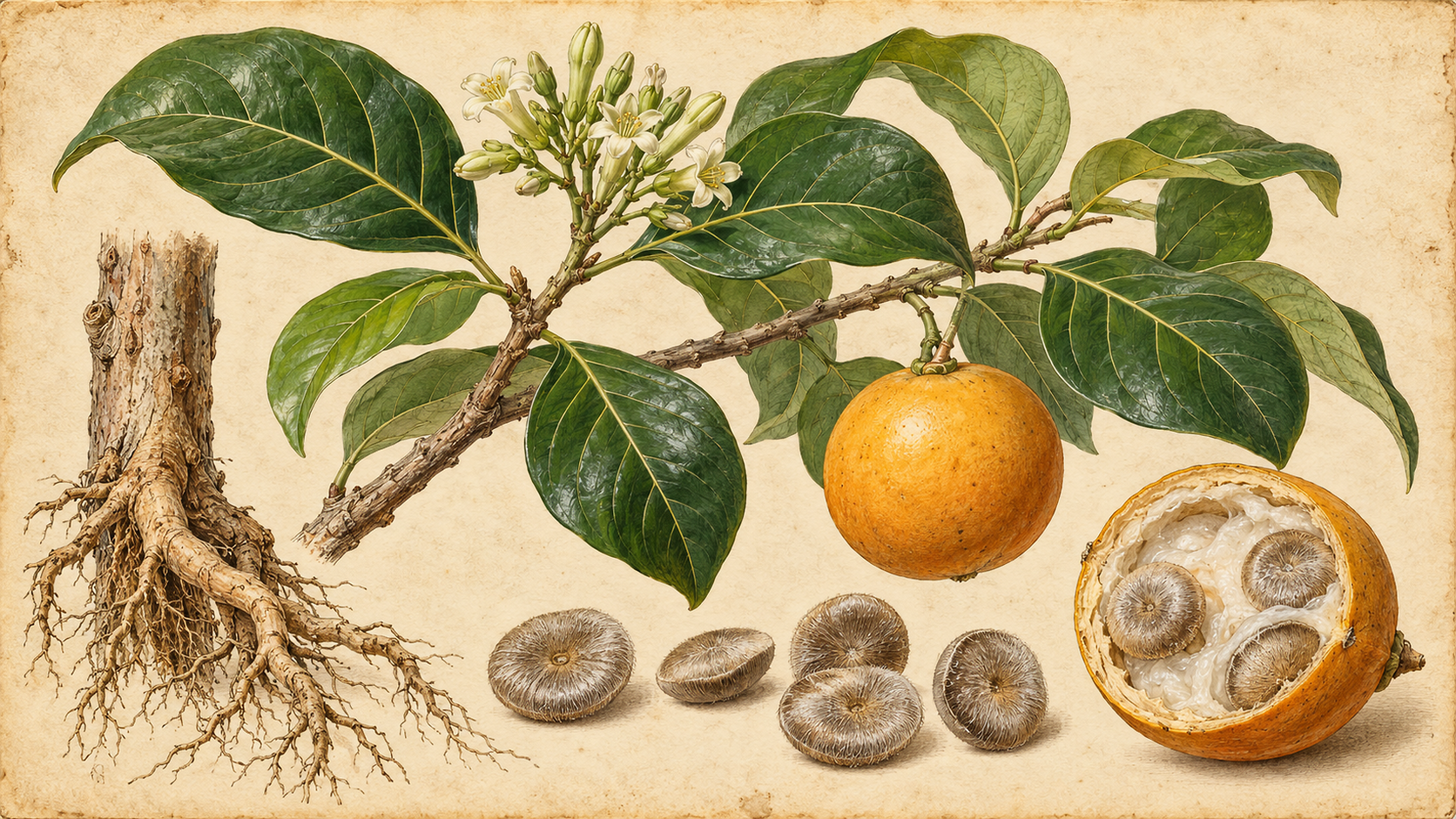
In the damp ledger rooms of the English East India Company's Malabar outposts, volumes bound in calfskin recorded a steady outflow of dried seeds known simply as nux vomica. Harvested from the interior deciduous forests of the Western Ghats and packed into gunny sacks at ports such as Tellicherry, Cochin, and Calicut, these silky, button-shaped discs contained one of the most concentrated neurotoxins in the botanical world. The colonial archive documents this commerce alongside regional forest knowledge, European mercantile ambition, and the entry of a lethal forest seed into nineteenth-century alkaloid chemistry.
The Ledger and the Littoral
The shipping manifests of the English East India Company at Fort St. George and Bombay Castle during the eighteenth century routinely enumerated sacks of 'Nux Vomica' alongside pepper, cardamoms, and piece-goods. Laden aboard outward-bound Indiamen anchored off the Malabar coast, these consignments were procured through local intermediaries who marshalled the seasonal labour of forest-dwelling communities. The trade was quietly lucrative, requiring minimal processing beyond the collection and sun-drying of seeds harvested from fallen or shaken fruits.
To colonial clerks, nux vomica appeared merely as a dry commodity priced by the hundredweight, durable enough to endure months in a humid hold without decomposing. Yet this durability masked an exceptional biological potency. While nutmeg and cloves commanded aromatic prestige, the poison nut occupied a pragmatic category of mercantile botany, destined for European apothecaries, wholesale druggists, and municipal eradication campaigns against vermin.
The port records show an erratic flow shaped by monsoon rhythms and interior political alliances. When conflicts disrupted river transit between the upland forests of Malabar and coastal trading houses, prices spiked in the London drug auctions at Garraway's Coffee House, demonstrating how deeply European pharmacy had become reliant on regular consignments from the forests of South Asia.
Morphology of the Poison Nut Canopy
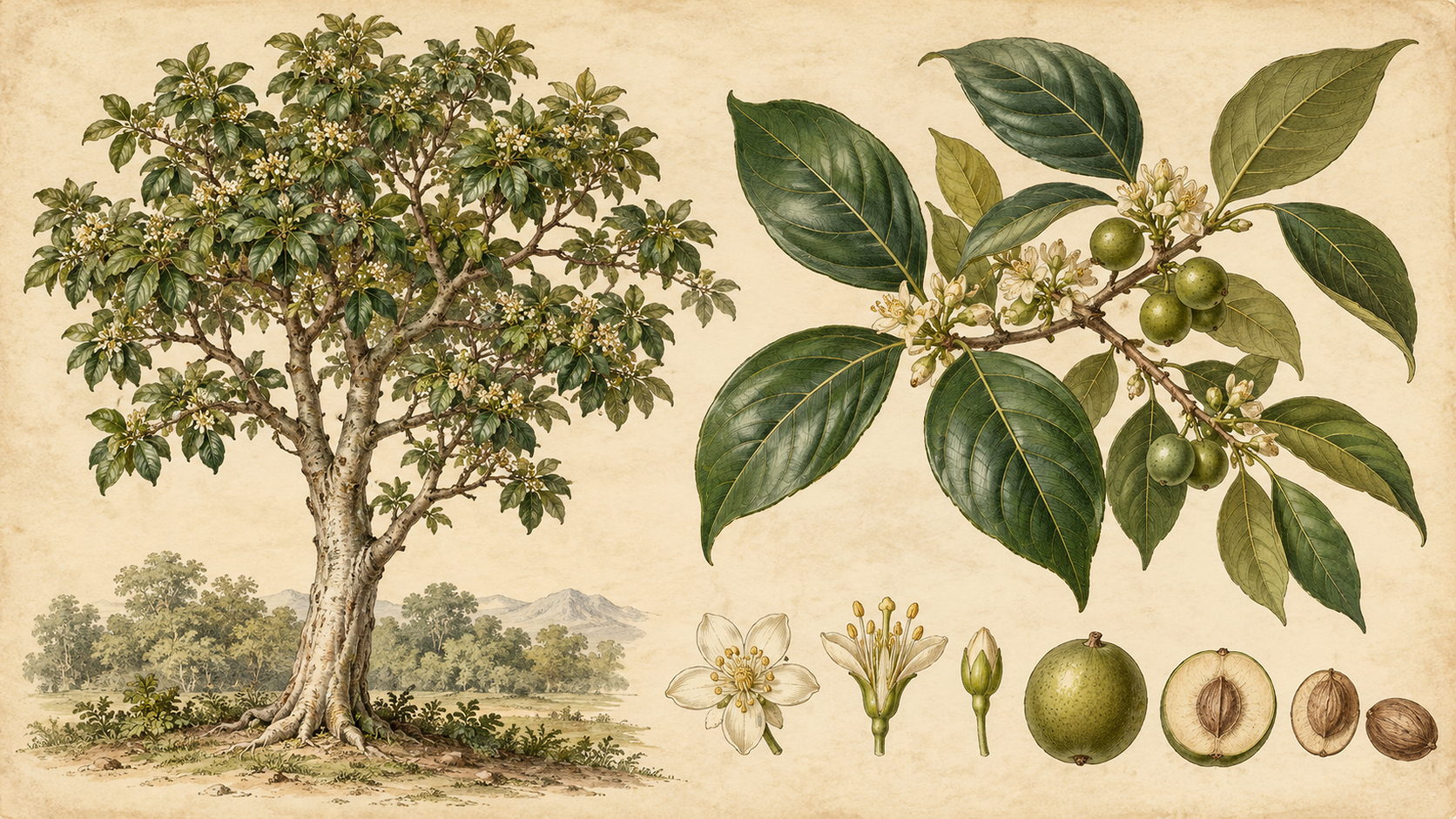
In the wild tracts of the Western Ghats and the Coromandel hinterland, Strychnos nux-vomica presents as a medium-sized tree, typically attaining twelve to twenty metres in height, often possessing a short, fluted trunk covered in thin, greyish-yellow bark with smooth, warty lenticels. Its branching architecture is irregular and spreading, forming a dense, rounded crown that casts heavy shade across the forest floor in moist and dry deciduous zones.
The foliage is opposite, ovate or elliptic, with leaves displaying a lustrous, dark green upper surface and a paler, glabrous underside. A primary diagnostic hallmark of the genus is the presence of three to five prominent basal nerves that curve upward toward the acute apex, an architectural venation pattern that immediately distinguishes the Loganiaceae from unrelated arborescent families.
When fresh, the leaves release a faint, herbaceous aroma upon bruising, but neither the bark nor the foliage betrays the concentration of bitter alkaloids stored within their tissues. The tree is well adapted to withstand prolonged dry intervals, shedding a portion of its foliage during the hot months before renewing its vegetative flush alongside the onset of early rains.
Flowering Phenology and the Golden Fruit
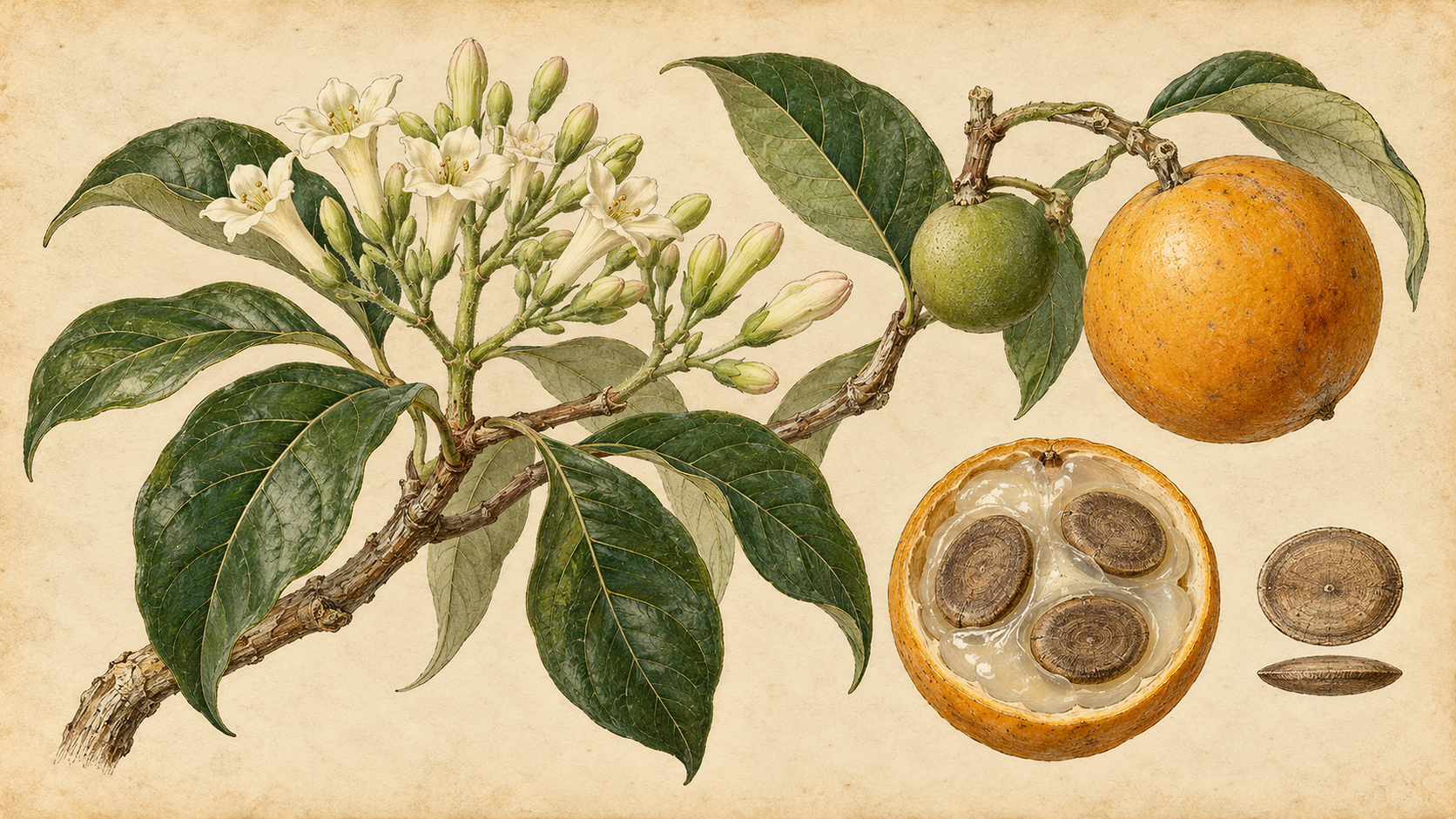
During the months of March and April, the canopy of Strychnos nux-vomica produces modest terminal cymes of diminutive, hypocrateriform flowers. These blossoms, greenish-white to pale cream, emit a sickly-sweet fragrance that draws solitary bees and dipterous pollinators. The calyx is five-parted, supporting a slender corolla tube that flares into five acute lobes, an unobtrusive display amid the dense foliage.
Following fertilization, the ovary swells into a smooth, spherical berry resembling a small orange or a crab apple, measuring between three and six centimetres in diameter. As the fruit ripens through the monsoon into the cool season, its initially hard, green pericarp shifts to a vivid orange-yellow, brittle yet resilient enough to protect the seeds from opportunistic canopy foragers.
Internally, the ripe berry encloses a gelatinous, white, intensely bitter pulp in which several seeds are embedded. While certain regional frugivores, such as hornbills and certain bats, consume the pulp and void the impervious seeds intact, the pulp remains dangerous for terrestrial mammals, serving as a chemical deterrent evolved to preserve the reproductive unit from pre-dispersal mastication.
The Anatomy of the Silken Button
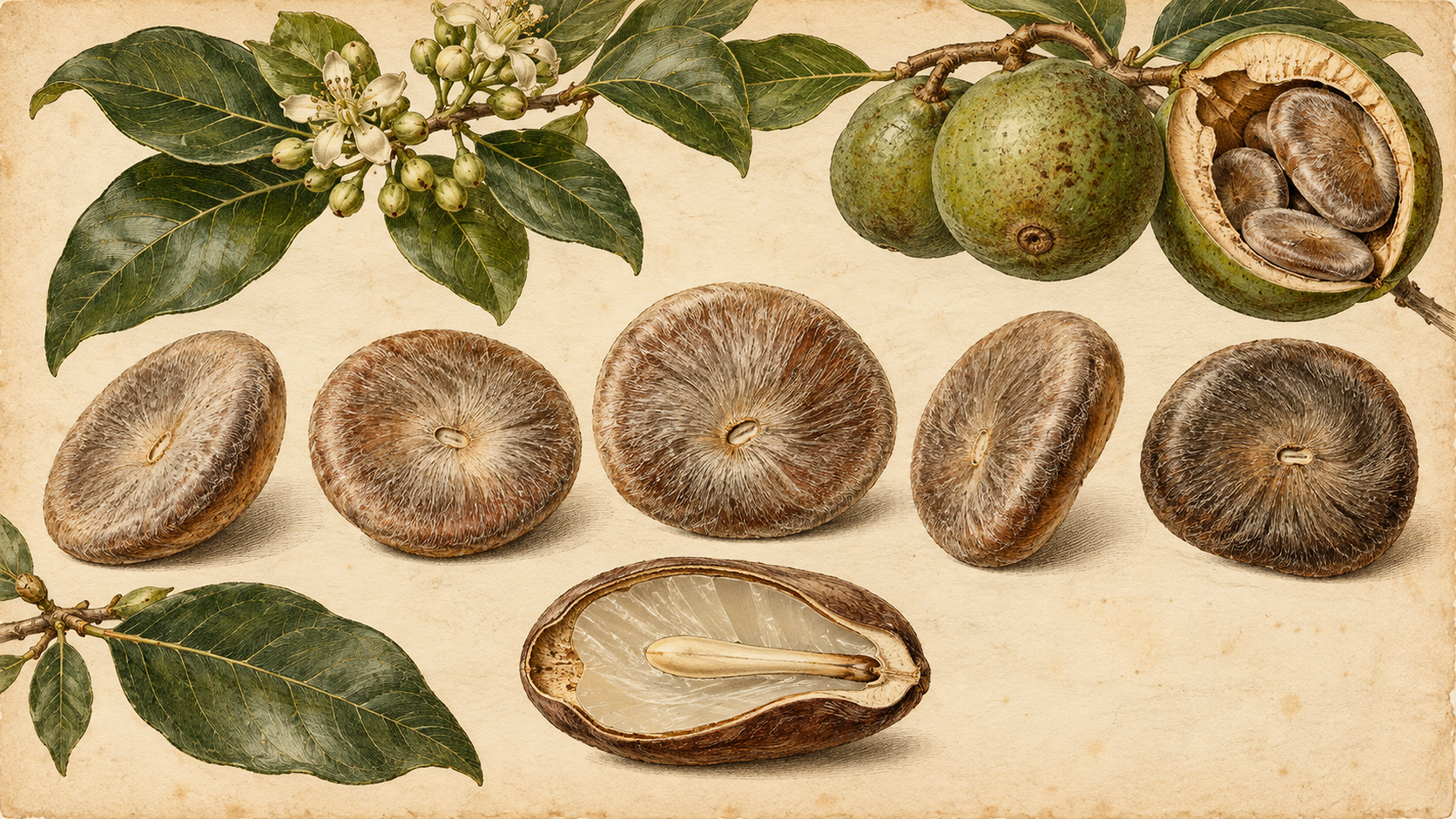
The seeds of Strychnos nux-vomica, known in historical commerce simply as 'buttons' or 'poison nuts', are among the most structurally distinctive reproductive units in the plant kingdom. Disciform, flat, or slightly concave on one surface and convex on the other, they measure fifteen to twenty-five millimetres in diameter and approximately four millimetres in thickness, often bearing an elevated margin.
Under botanical magnification, the seed surface reveals an extraordinary epidermis covered in dense, closely appressed, satiny hairs that radiate from the central hilum toward the circumference. This trichome coat gives the seed an unmistakable silvery-grey or fawn-coloured sheen that feels smooth to the touch, resembling polished horn or wet velvet.
The interior endosperm is horny, translucent, and exceedingly difficult to fracture or pulverize when dry. A small, straight embryo rests within the heart of this cartilaginous mass, bearing two small, heart-shaped cotyledons. The extreme density of the endosperm acts as a mechanical barrier against desiccation and fungal degradation, permitting the seed to remain viable in tropical leaf litter across multiple wet and dry cycles.
Kupilu and Indigenous Forest Knowledge
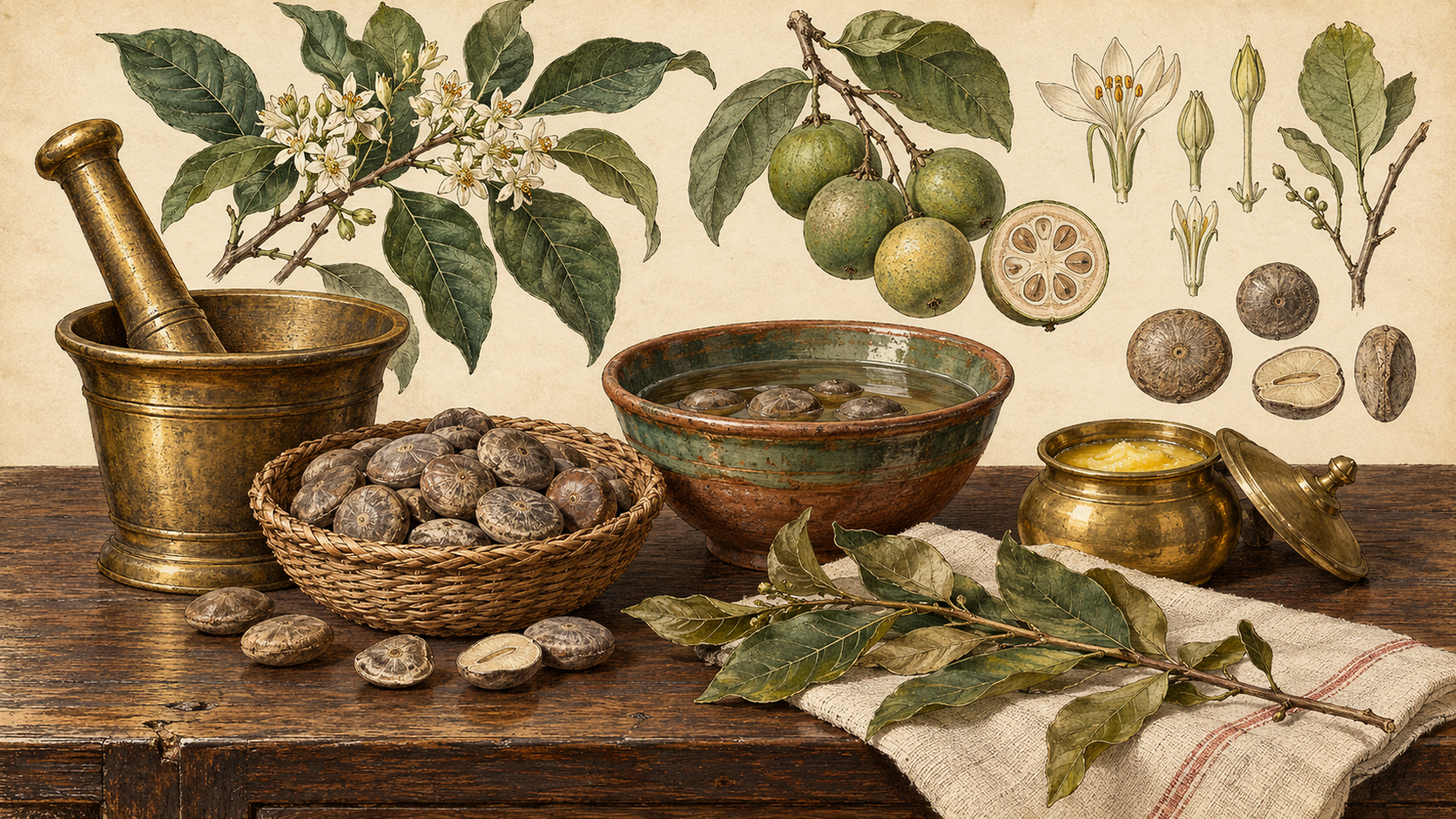
Long before European mercantile companies codified nux vomica as an export line item, the tree was integrated into the classical medical and veterinary systems of the Indian subcontinent under Sanskrit names such as Kupilu, Kulaka, and Vishamushti. Classical Ayurvedic treatises, including the Sushruta Samhita, acknowledged its virulent nature, categorizing it strictly within the Upavisha, or minor poison group.
Indigenous practice recognized that the raw seed was unsuitable for direct therapeutic employment without rigorous, ritualized detoxifying processes termed Shodhana. These purification regimes involved steeping the hard seeds in cow milk, decoctions, or fermented plant juices over prescribed lunar intervals, followed by peeling the satiny epidermis and subjecting the endosperm to gentle frying in clarified butter.
These treatments aimed to modify the mechanical toughness and alter the concentration of water-soluble bitter compounds, allowing minute, monitored preparations to be administered for musculoskeletal distress, systemic lethargy, and veterinary ailments. The East India Company's agents rarely recorded these sophisticated detoxification methodologies, viewing the seed merely as an undifferentiated botanical raw material for Western pharmaceutical refinement.
Garcia de Orta and the Portuguese Encounters
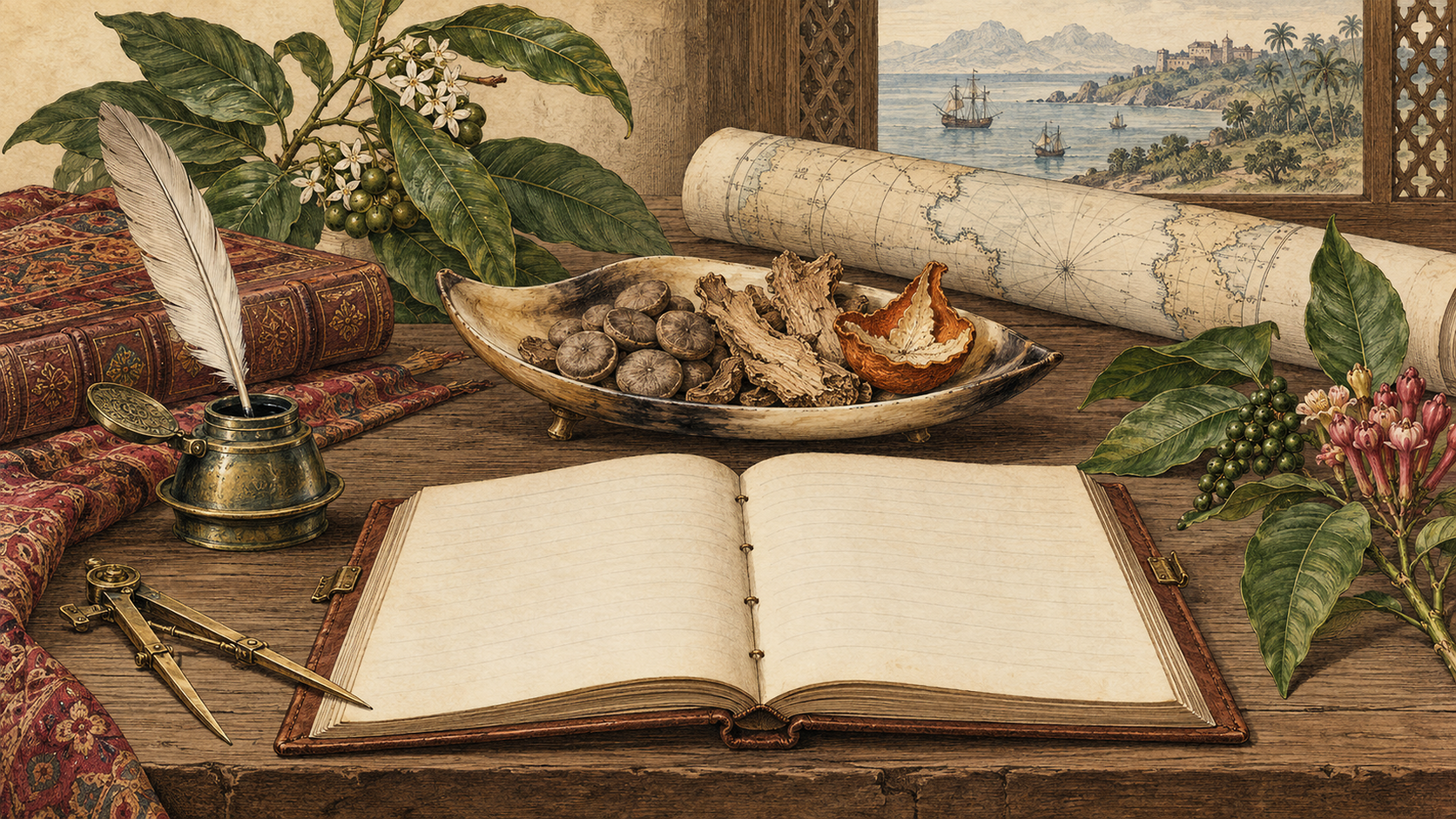
The earliest detailed European appraisal of nux vomica appeared in the sixteenth century through the work of the Portuguese physician Garcia de Orta. In his landmark 1563 publication, 'Colóquios dos simples e drogas he cousas medicinais da India', written at Goa, Orta sought to correct the misunderstandings of ancient Greek and Roman authorities who had never navigated the Indian Ocean.
Orta distinguished between several types of bitter seeds circulating along coastal trade hubs, identifying the Malabar tree and noting that while local healers employed it in guarded, processed forms, uninitiated consumption brought rapid, violent muscular distortion and death. He noted that the Portuguese garrisons occasionally used the seeds to clear fortresses of feral pests, documenting the immediate lethal efficacy that would later dominate European interest.
His colloquies demonstrated the tension between traditional humoral doctrine and the unyielding empirical reality of tropical vegetation. Orta questioned whether the ancient Mediterranean pharmacognosists had ever truly possessed the genuine poison nut, suggesting that Arab commentators had transmitted fragmentary accounts of a tree whose true geography remained rooted in the coastal kingdoms of Calicut and Cochin.
The Malabar Engravings of Hendrik van Rheede
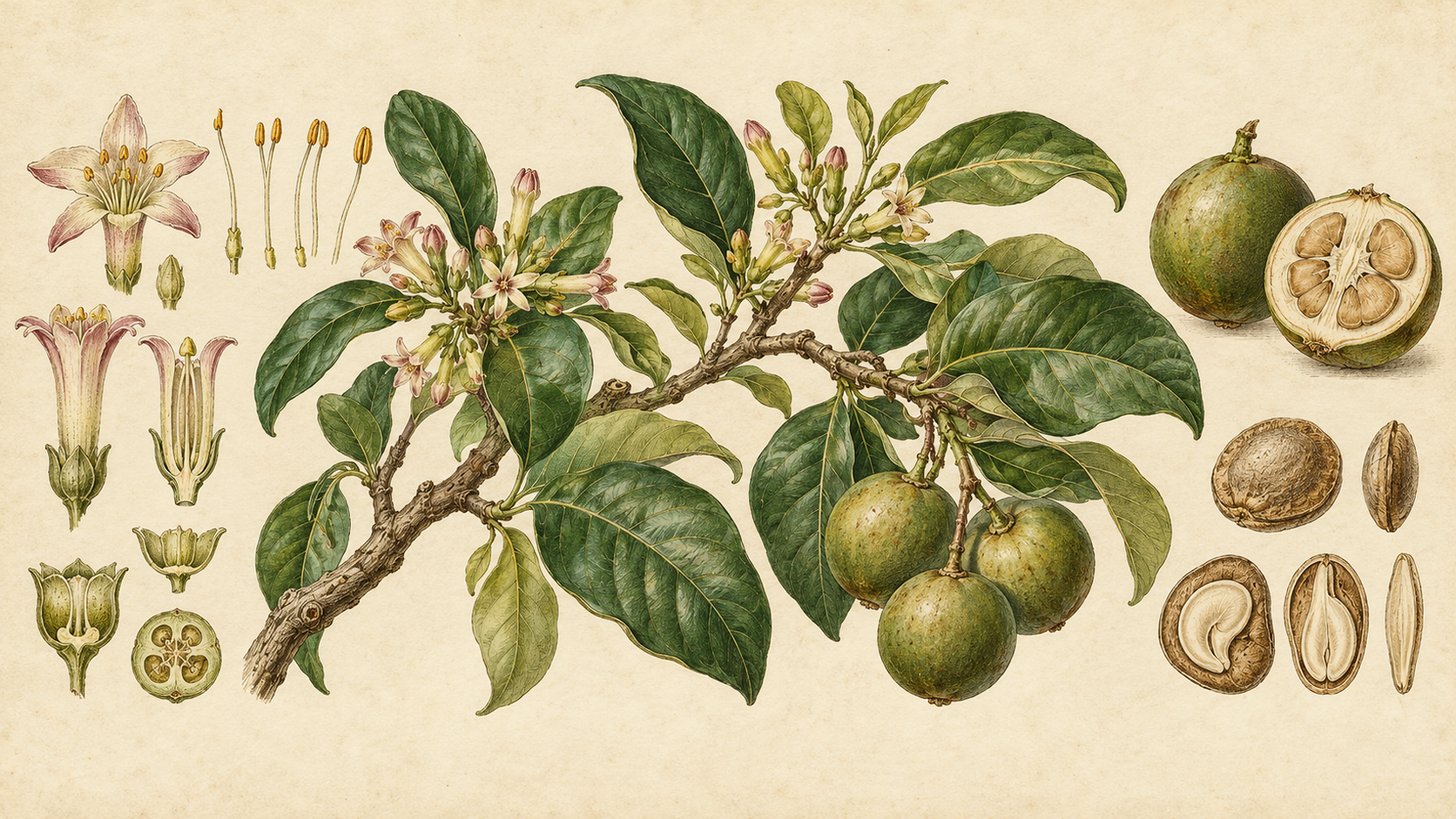
In the first volume of the monumental 'Hortus Indicus Malabaricus', compiled under the direction of Hendrik Adriaan van Rheede tot Draakestein and published at Amsterdam in 1678, the poison nut received its definitive early-modern visual treatment under its regional Malayalam name, 'Caniram'. Van Rheede enlisted Brahmin physicians, local Ezhava herbalists, and European draughtsmen to produce an exhaustive folio portrait.
The double-page copperplate engraving depicts a leafy branch laden with mature, globose fruits, terminal inflorescences, and cross-sections of the button-shaped seeds with their characteristic silky hairs delineated in fine burin work. The accompanying Latin text recorded the tree's preferred ecological niches in the lateritic soils of the coastal midlands and transcribed its traditional medicinal attributes.
Van Rheede's project was unprecedented in its attempt to preserve indigenous nomenclature and morphological accuracy simultaneously. The plate for Caniram established a taxonomic baseline that would eventually allow Carl Linnaeus to formally establish the binomial Strychnos nux-vomica in his 1753 'Species Plantarum', linking the Malabar folio forever to global botanical classification.
The Mechanics of Company Procurement
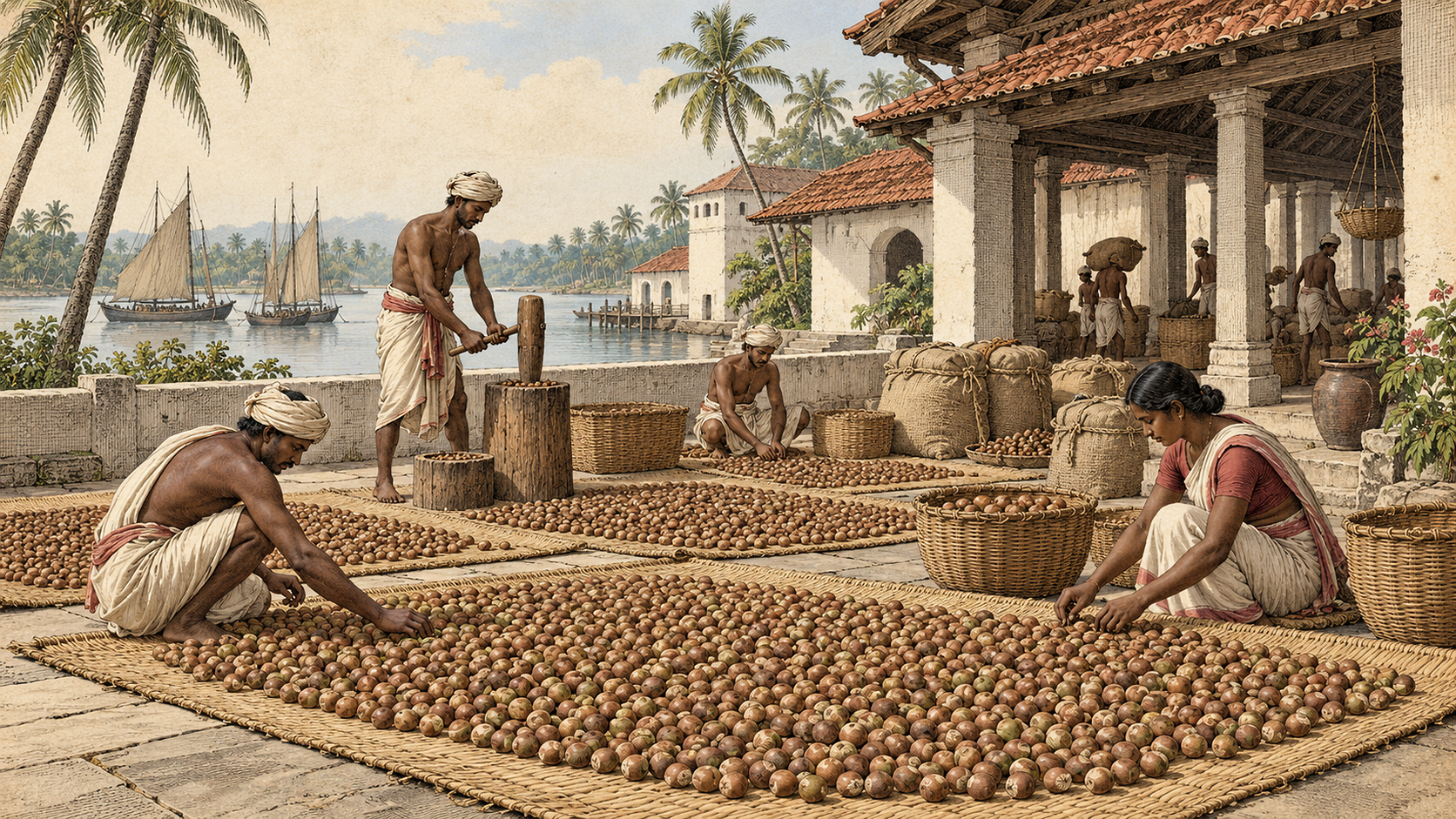
By the mid-eighteenth century, the procurement of nux vomica was institutionalized within the commercial machinery of the East India Company. Forest contractors, operating under territorial licenses granted by regional rulers or Company residents, mobilized hill communities to collect the fallen fruits from the dry forest floor between November and January.
The collection process required patience rather than specialized equipment. Collectors gathered the orange spheres, broke them open with wooden mallets, and washed away the gelatinous white pulp in running stream water to extract the embedded seeds. The clean seeds were spread across woven reed mats in open clearings, where three to five days of continuous tropical sun desiccated the endosperm, making it impervious to rot during transit.
Brought down from the hills on pack bullocks or downriver in flat-bottomed country boats, the seeds were delivered to company warehouses in Tellicherry or Mangalore. There, they were weighed in candies or maunds, packed into double-stitched hessian sacks, and stowed deep within the cargo holds of ships, often placed far from edible dry goods to prevent the transfer of their persistent, penetrating bitterness.
Apothecary Cabinets and Drug Adulteration
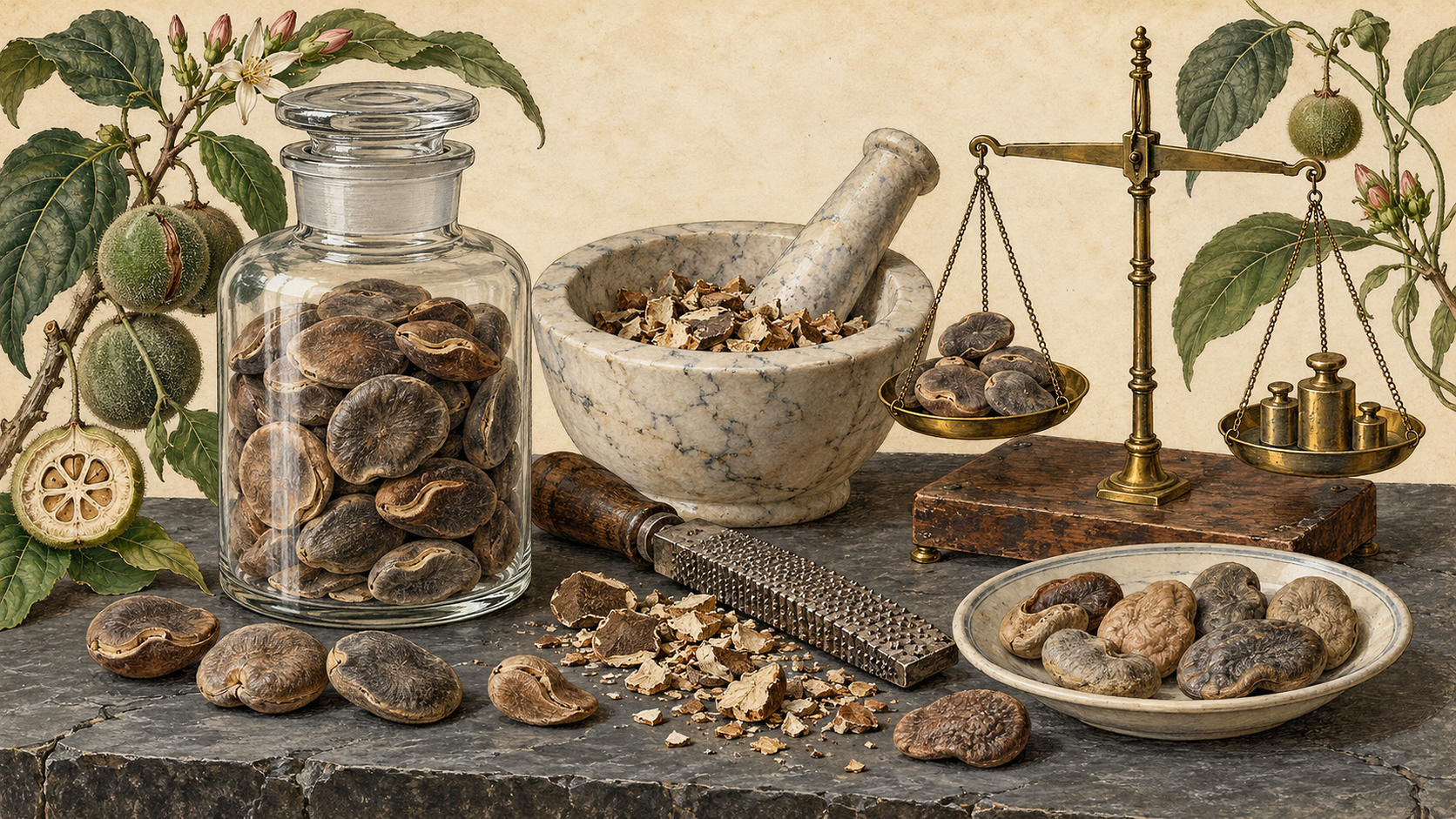
Upon reaching the docks of London, Amsterdam, and Marseille, cargoes of nux vomica were consigned to wholesale drysalters and dispensing apothecaries. In the London Pharmacopoeia, the seed occupied an ambiguous position; its toxicity was widely feared, yet its intense bitterness suggested powerful tonic and febrifuge properties according to the medical axioms of the era.
Apothecaries faced considerable difficulty in processing the drug. The cartilaginous endosperm resisted ordinary mortar and pestle pounding, prompting compounders to steam the seeds until soft or rasp them with heavy iron files before maceration in rectified spirit. Tinctures and extracts produced from these raspings were pale, clear liquids carrying a bitterness perceptible even at extreme dilutions.
The commercial value of nux vomica also led to frequent controversies regarding adulteration. Pharmacognosists in the early nineteenth century warned against the surreptitious substitution of related, less potent seeds, such as those of Strychnos potatorum (the clearing nut, which lacks convulsant alkaloids), or the dangerous commingling of Strychnos ignatii, which contained even higher alkaloid concentrations. Careful macroscopic inspection of the silky coat remained the apothecary's primary defense against fraudulent consignments.
Isolation of the Bitter Principle
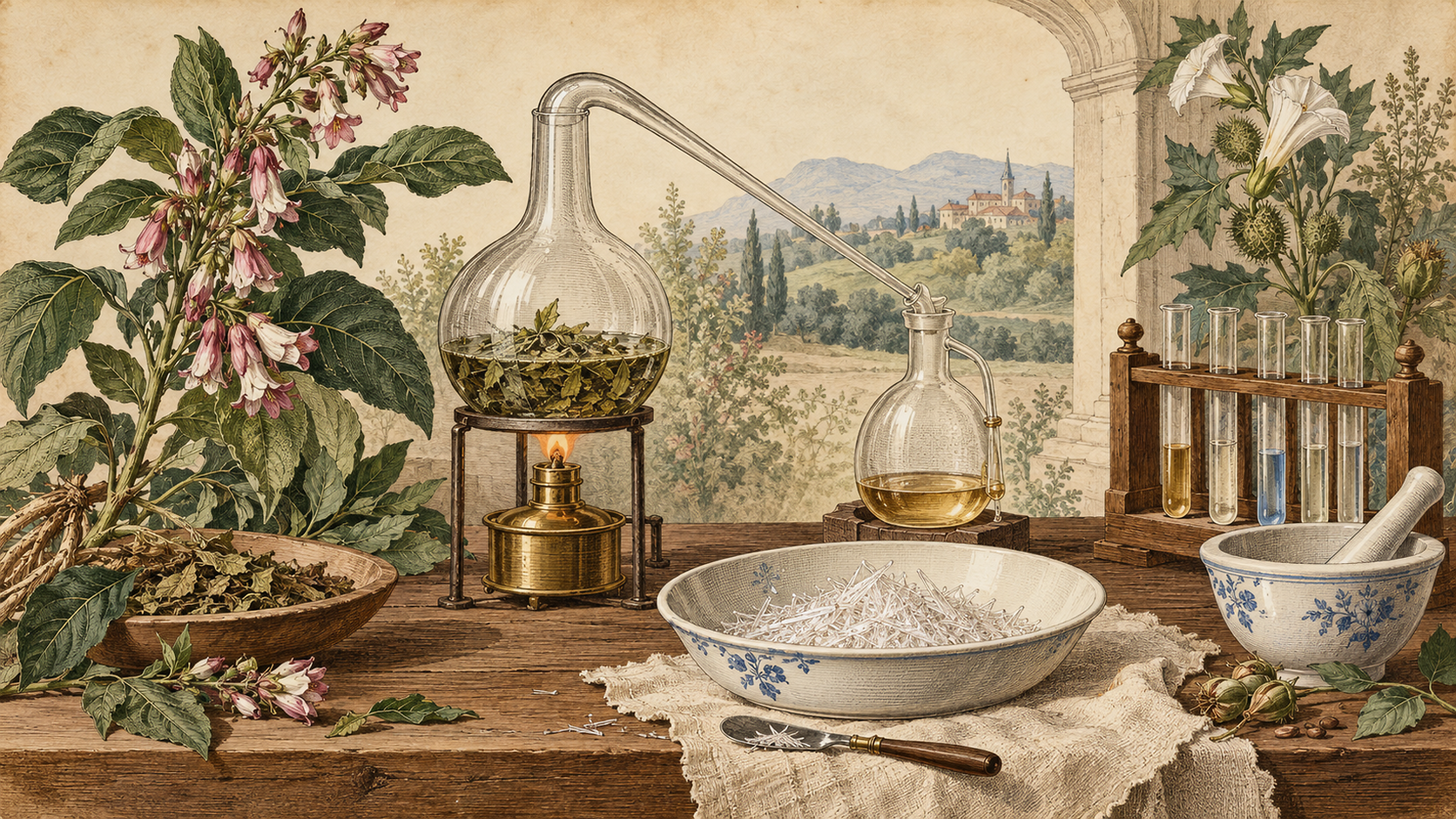
The status of Strychnos nux-vomica was revolutionized in the laboratories of Paris between 1818 and 1819. The French pharmaceutical chemists Pierre-Joseph Pelletier and Joseph-Bienaimé Caventou, working at the École de Pharmacie, subjected East India Company imports of nux vomica and the Saint Ignatius bean to systematic chemical fractionation.
By treating an alcoholic extract of the seeds with lead acetate and magnesium oxide, they succeeded in precipitating a white, crystalline, intensely bitter alkaline base that they named 'strychnine', followed shortly by the discovery of a second, less potent but closely related alkaloid, which they christened 'brucine' after James Bruce, the Scottish explorer of Abyssinia.
The extraction of strychnine marked a watershed in nineteenth-century science, confirming the hypothesis that the distinct physiological actions of botanical poisons resided in discrete, isolable organic bases rather than an irreducible 'vital principle'. Consignments of Malabar seeds were suddenly repositioned from crude herbal curiosities into essential industrial reagents required for the nascent discipline of alkaloid manufacture.
The Physiology of Spinal Excitation
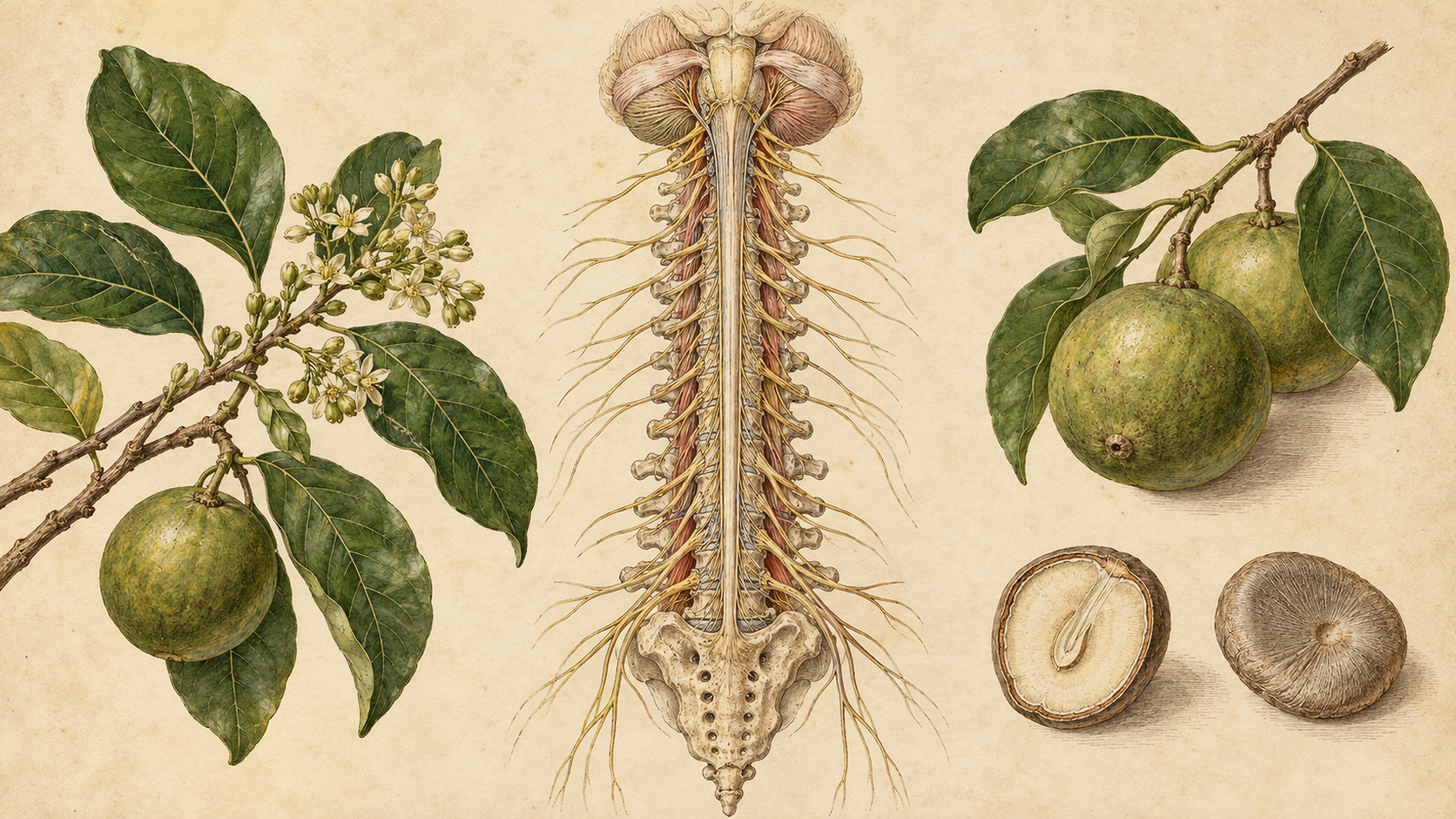
The availability of pure, crystalline strychnine allowed experimental physiologists, most notably François Magendie, to investigate the precise mechanisms of neurotoxicity with unprecedented accuracy. Prior to this work, medical theory could not explain why a patient or animal poisoned with nux vomica died in full consciousness amid uncontrollable, board-like rigidity.
Magendie's vivisectional studies demonstrated that strychnine acted directly upon the spinal cord rather than the peripheral nerves or the muscular tissue itself. The compound rendered the nervous system hypersensitive to the slightest external stimulus, transforming ordinary sensory input into explosive, uncoordinated motor discharges, characterized by profound tetanic spasms and opisthotonos, where the spine arched backward until only the heels and head touched the surface.
Nineteenth-century clinicians realized that strychnine did not excite the nerves directly, but extinguished the body's natural inhibitory pathways. It would take more than a century for modern pharmacology to identify the exact biochemical target—the competitive antagonism of strychnine at glycine receptor sites in the spinal cord and brainstem—which leaves motor neurons perpetually depolarized and unresponsive to natural damping signals.
The Rodenticide Trade and Municipal Poisoning
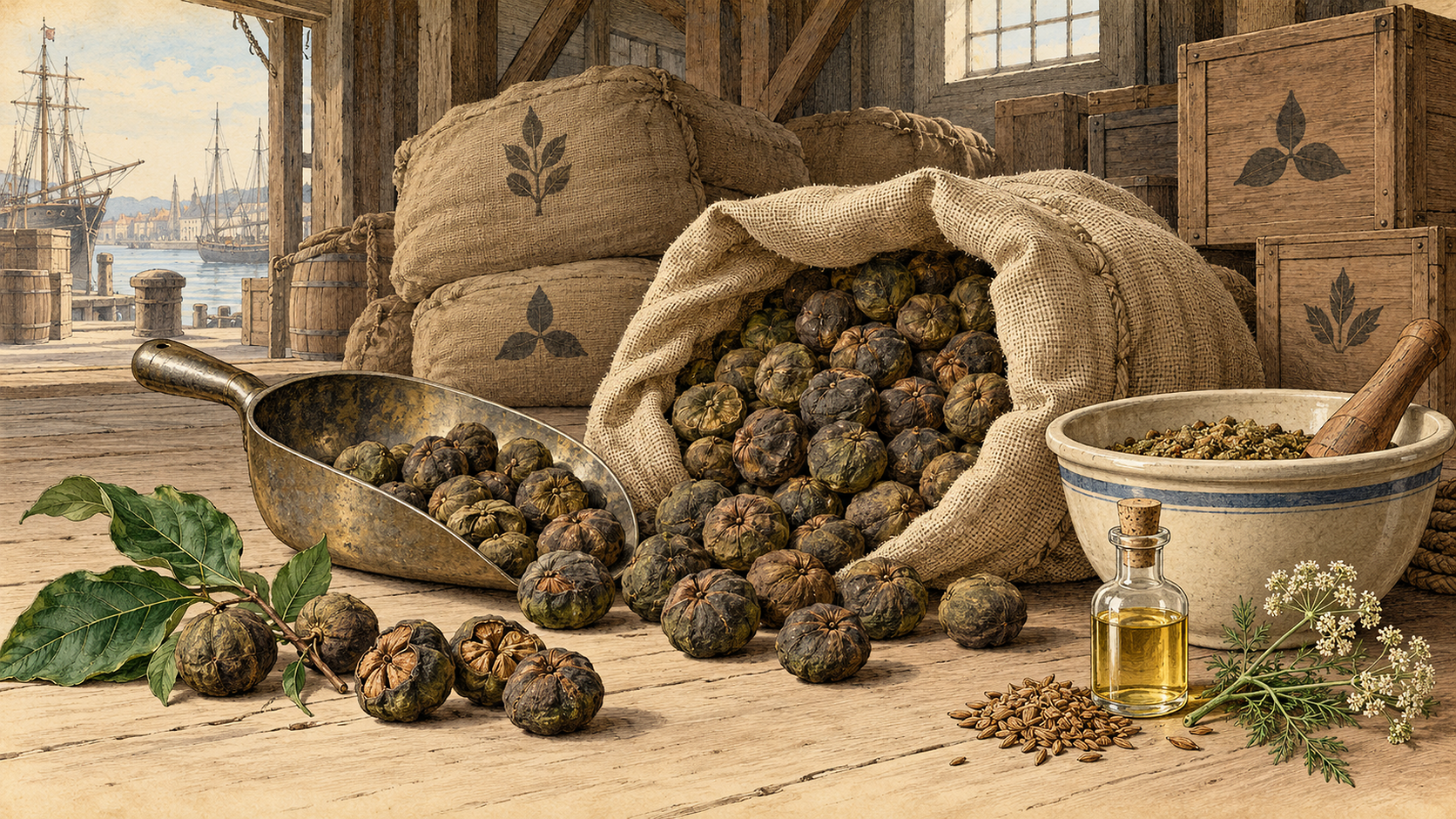
While pharmaceutical laboratories consumed pure strychnine, vast quantities of raw and coarsely crushed nux vomica were directed toward the municipal war on vermin. As urban populations exploded across Europe, North America, and colonial port cities during the nineteenth century, brown rats (Rattus norvegicus) presented an intolerable threat to grain warehouses, docks, and public hygiene.
Company ledgers reflect substantial export volumes specifically designated as 'vermin paste' or 'rat nut'. Apothecaries mixed pulverized nux vomica with mutton fat, flour, and oil of aniseed to lure rodents in sewer networks and granaries. Its complete lack of odor, combined with its resistance to dampness, made it far more reliable than arsenic preparations, which were prone to caking or unpalatability.
The trade expanded into agrarian frontiers, where imperial governments in Australia, India, and the American West deployed strychnine-laced baits against dingoes, wolves, and feral dogs. This widespread, indiscriminate dispersal caused severe ecological destruction, leaving carcasses that poisoned scavenging raptors and secondary predators, and cementing the seed's reputation as the ubiquitous extermination agent of the Victorian era.
Taxonomic Entanglements and Snakewoods
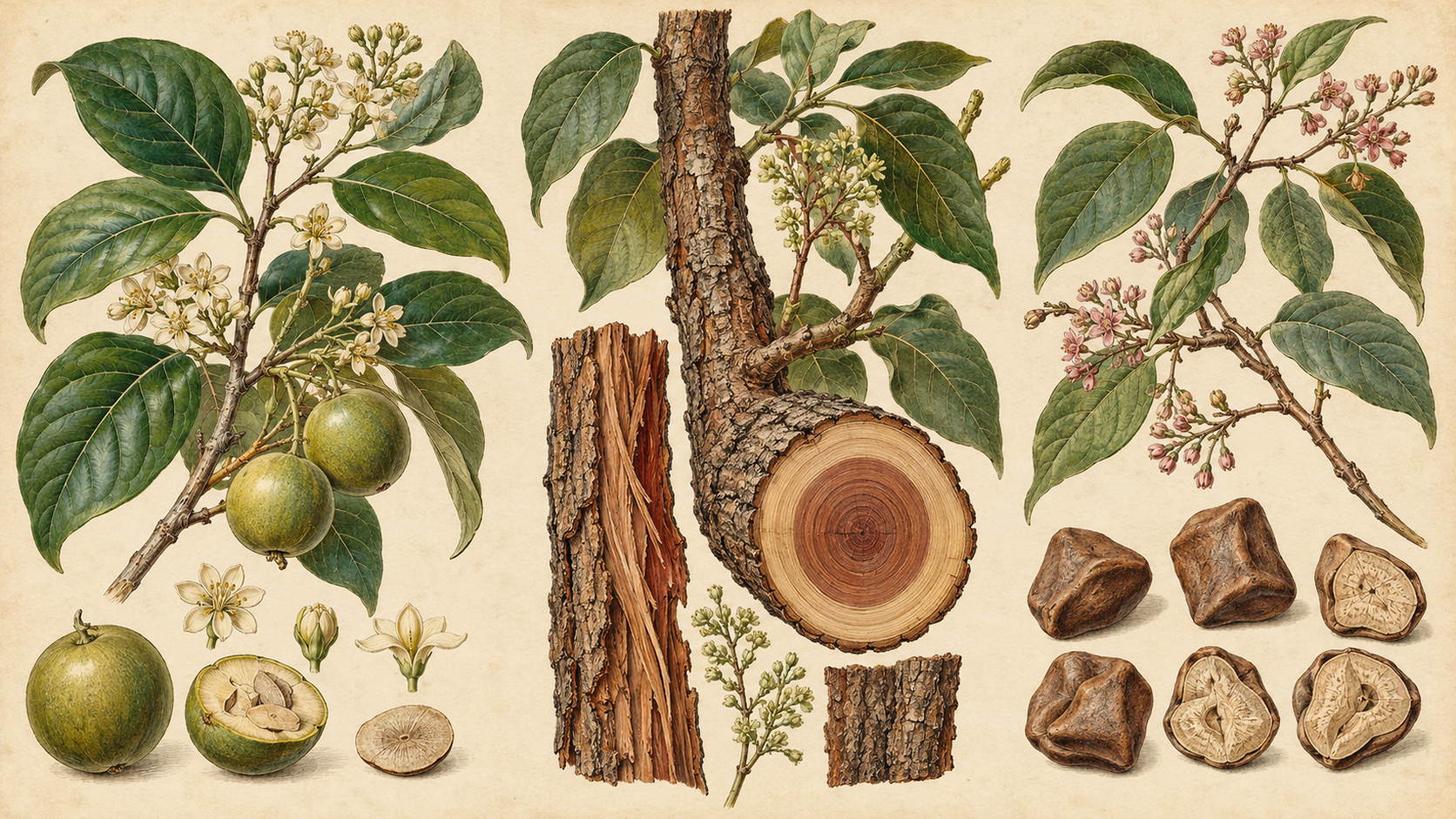
In colonial botanical registers, Strychnos nux-vomica was frequently entangled with other Asian and African species of the genus, particularly those associated with the legendary curative 'Lignum Colubrinum' or snakewood. European travellers in the sixteenth and seventeenth centuries reported that regional physicians in Malabar and Ceylon used bitter woods to counteract venomous serpent bites, leading to persistent confusion in the dockyards.
The true snakewood was usually derived from Strychnos colubrina, a climbing liana of the Western Ghats, whose older woody stems bore an intense bitterness reminiscent of the poison nut. In practice, however, woodcutters routinely harvested the trunk wood of young Strychnos nux-vomica trees and sold it as genuine snakewood, since the bitter alkaloids were present throughout the xylem tissue.
Another critical distinction involved Strychnos ignatii, a high-climbing vine native to the central Philippines. Known as the Saint Ignatius bean, its irregularly ovoid, matte-brown seeds were often mixed into shipments arriving from Manila and Singapore. Although chemically similar, the Ignatius bean contained a significantly higher ratio of strychnine to brucine, leading to erratic dosages when drug houses mistakenly substituted it for standard Malabar nux vomica.
Imperial Forestry and Monopolies
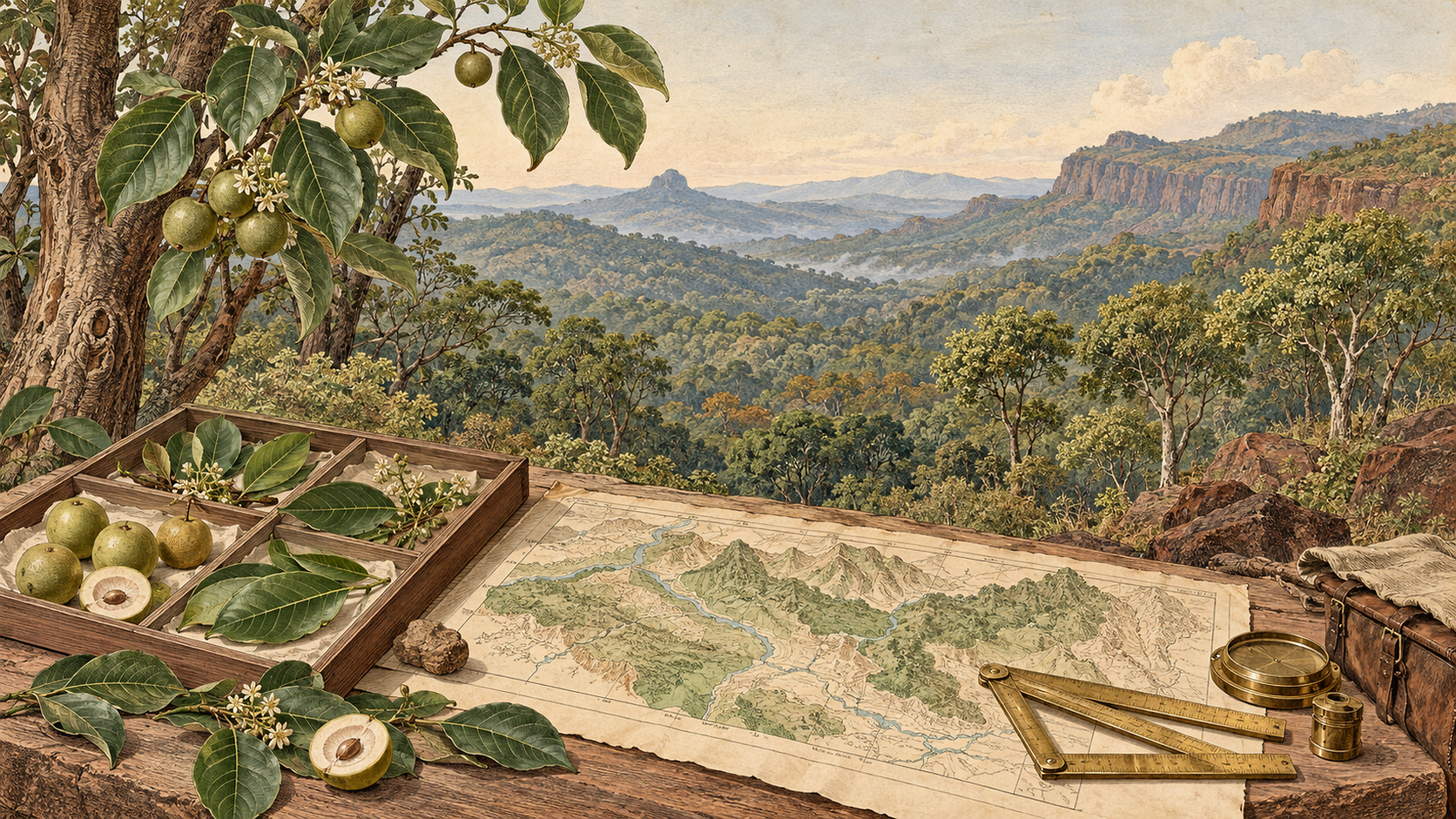
With the formal establishment of the British Raj and the founding of the Imperial Forest Department in the mid-nineteenth century, the wild harvesting of Strychnos nux-vomica transitioned from informal trade into an organized imperial monopoly. Forest tracts in Malabar, Kanara, and the Northern Circars were surveyed, and the rights to collect minor forest produce, including nux vomica, were auctioned annually to the highest bidder.
Forest conservators viewed the tree with mixed feelings. While its timber was tough, heavy, and occasionally used for rural construction or axe handles, it was prone to splitting during seasoning and resisted working with plane irons. Consequently, forest policies generally prioritized the preservation of the trees for their recurring seed yield rather than felling them for structural timber.
Colonial silvicultural reports documented the exact yields per acre and established seasonal collection boundaries to prevent over-stripping of natural populations. Revenue from nux vomica leases flowed into colonial treasury accounts, formalizing the ecological relationship between the dry forest canopies of peninsular India and the global chemical supply chains that supplied pharmaceutical firms from Frankfurt to New Jersey.
The Archival Specimen and Modern Memory
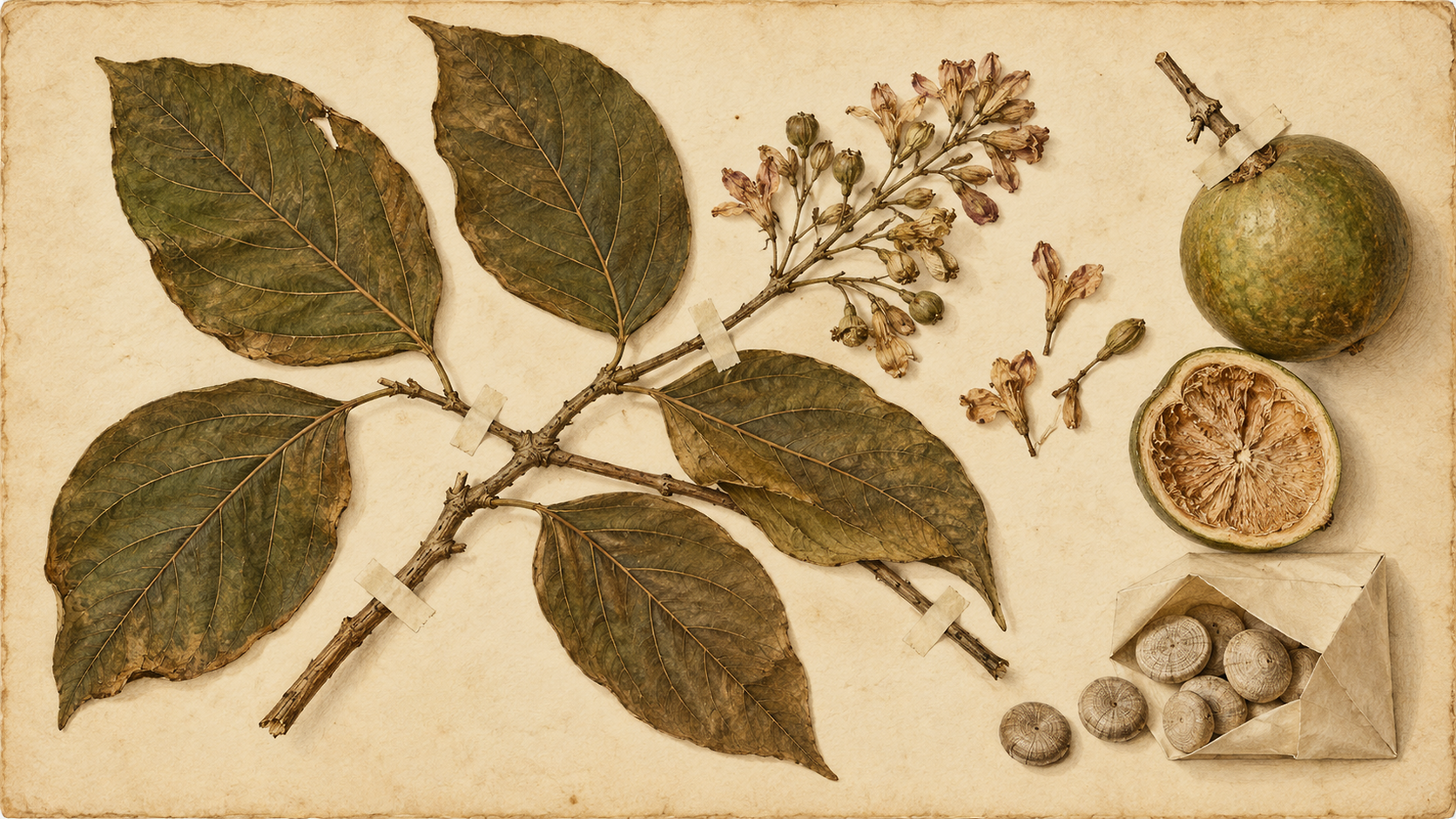
Today, the historical commerce in nux vomica leaves its most tangible traces in the quiet herbarium cabinets of London, Leiden, and Calcutta. Flattened branches, collected by nineteenth-century botanists such as Robert Wight and Nathaniel Wallich, remain mounted on heavy archival paper, their dried leaves still exhibiting the telltale three-ribbed venation, while adjacent envelopes hold fragile cross-sections of the silky seeds.
In natural history museums and institutional pharmacy collections, sealed apothecary jars still contain the original disc-shaped 'buttons' imported over a century ago. The silvery trichomes retain their luster, and the dense endosperm remains largely impervious to the passage of decades, enduring as a physical monument to an era when poison was traded by the gross in maritime ports.
Beyond its toxicological legacy, the commercial record of Strychnos nux-vomica illustrates how colonial botanical networks gathered and commodified regional plant knowledge. A seed collected in the deciduous forests of peninsular India served as a key reagent in early nineteenth-century neurobiology, documented across both trading ledgers and taxonomic floras.

Further reading
Follow the references into botanical research, historical herbals and the evidence behind the story.
Van Rheede tot Draakestein, Hortus Indicus Malabaricus, Vol. 1 (1678)External reference · Opens in a new tab Garcia de Orta, Coloquios dos simples e drogas he cousas medicinais da India (1563)External reference · Opens in a new tab Pelletier & Caventou, 'Mémoire sur un nouvel alcali végétal', Annales de Chimie et de Physique (1819)External reference · Opens in a new tab